RAS Fish Hatchery Systems
Hatchery Equipment Engineered for the Most Sensitive Stage of Production
Hatchery operations have the tightest water quality tolerances in aquaculture. Eggs and larvae can’t tolerate the ammonia spikes, fine particulate loads, or temperature swings that older fish can survive. A momentary lapse in filtration at this stage doesn’t just stress your stock — it can wipe out an entire cohort.
AST designs and manufactures fish hatchery systems that deliver the consistent, high-quality water these early life stages demand. From egg incubation through yolk-sac absorption and into fingerling grow-out, our hatchery equipment provides reliable solids removal, biofiltration, and disinfection in compact, low-maintenance packages built for daily hatchery operations.
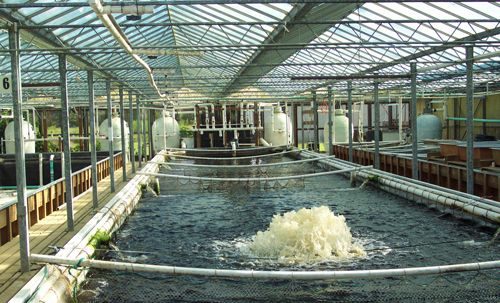
Large aquaculture facility utilizing multiple Propeller Bead Filters.
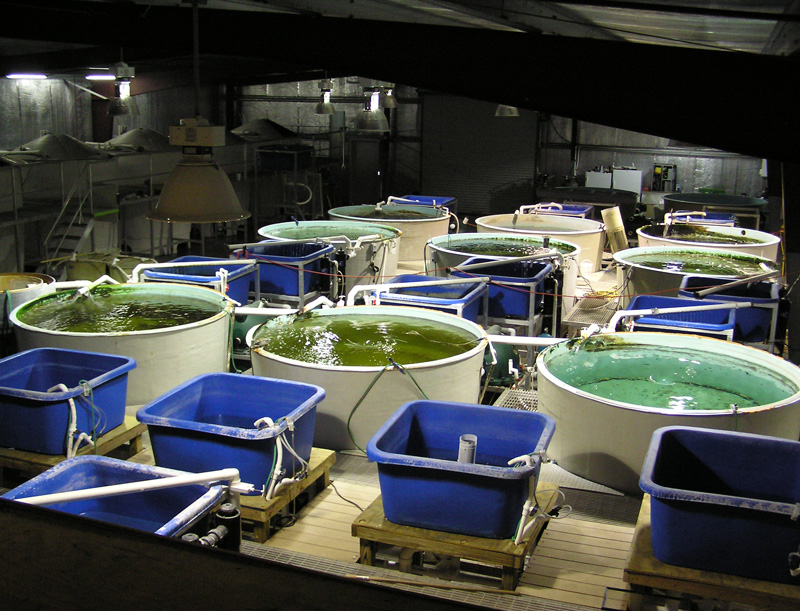
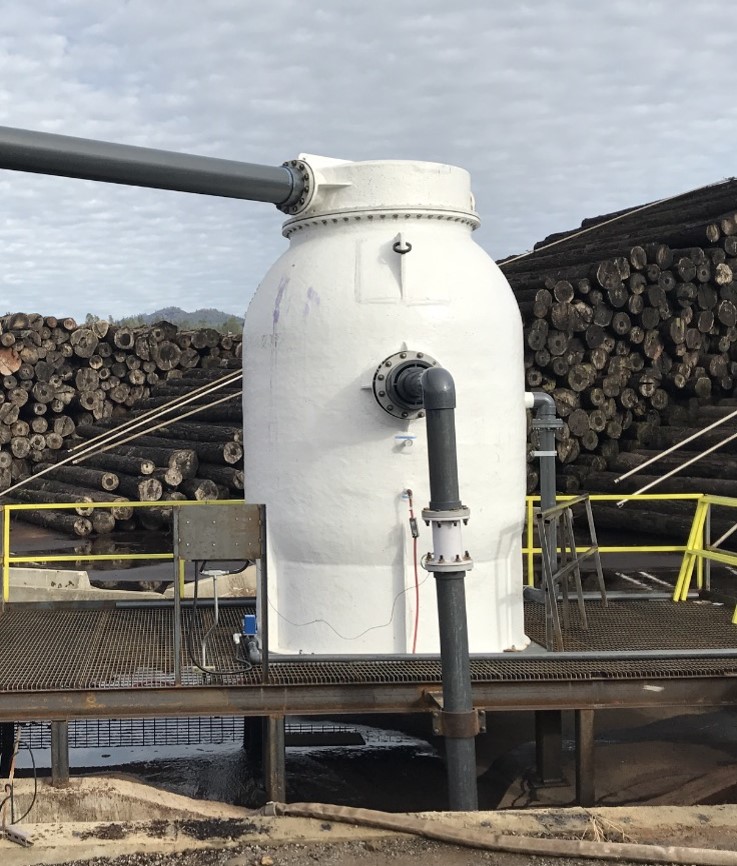
Red drum broodstock facility utilizing a PolyGeyser filter.
Why Hatchery Filtration Is Different
Commercial grow-out systems are designed around feed load and biomass. Hatchery systems are designed around vulnerability. Eggs and fry produce relatively little waste compared to market-size fish, but they’re far more susceptible to the consequences of poor water quality. Elevated ammonia at levels that an adult fish tolerates can be lethal to larvae. Fine suspended solids can coat eggs and reduce hatch rates. Pathogen exposure during incubation can devastate a cohort before it ever reaches the nursery tank.
That means hatchery equipment has to deliver a level of water quality precision that most general aquaculture filtration systems aren’t optimized for. Filtration needs to be fine enough to capture small particulates, biologically active enough to keep ammonia and nitrite near zero, and paired with effective disinfection — all while operating gently enough that delicate eggs and larvae aren’t damaged by excessive flow or turbulence.
AST’s bead filter technology meets these requirements in a single unit. The enhanced bead media captures solids down to fine particle sizes while simultaneously supporting the nitrifying bacteria that convert ammonia to nitrate. Paired with UV disinfection, the result is a compact water treatment loop purpose-built for RAS hatchery environments.
The INCUBRAS — A Complete RAS Hatchery System
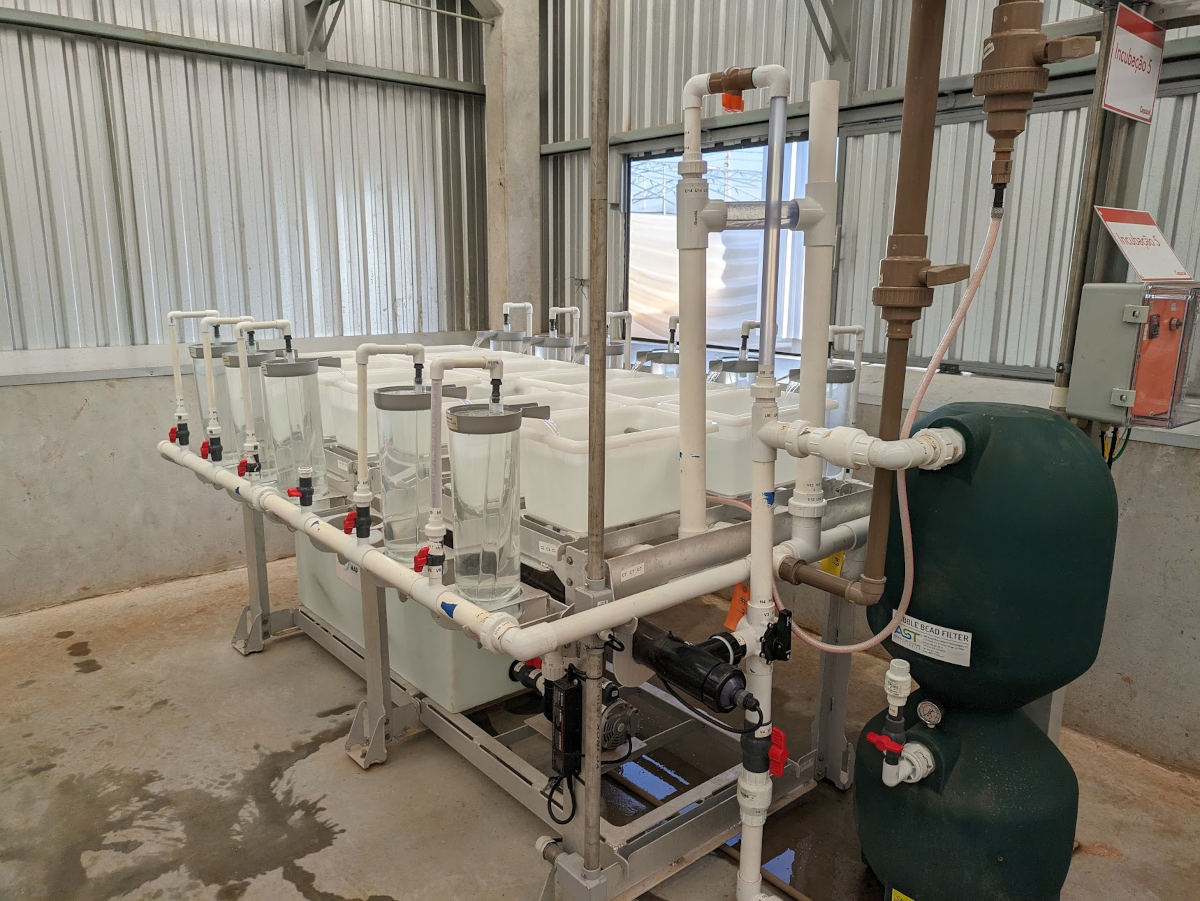
For operations that need a turnkey hatchery solution, AST and MAP Aqua jointly developed the INCUBRAS: a fully integrated, closed-loop RAS hatchery system designed for egg incubation through fry absorption.
The INCUBRAS supports up to twelve 6.9-liter McDonald hatching jars in a recirculating format, filtered by a patented Bubble Bead® bio-clarifier that handles both solids capture and biofiltration. A low-energy 1/8 hp pump circulates water through 40-watt UV disinfection, turning over the entire system volume roughly every eight minutes. Fry discharge into removable catch basins for the yolk-sac absorption stage, and the whole unit operates with a backwash interval of approximately once per week.
What makes the INCUBRAS particularly well-suited for hatchery programs is its biosecurity design. Each cohort of eggs is disinfected on entry, creating a “firewall” that prevents vertical disease transmission — a critical consideration for conservation hatcheries and broodstock programs managing wild-origin genetics. The system is also modular and collapsible, so it can be relocated or scaled up as production needs change.
Capacity: 500,000 to 1 million eggs per week in a 220-gallon total system volume.
“[AST] Filters are simple, but very effective. They don’t have a lot of components, [but] handle solids and biofiltration very well.”
Justin Yost, Fisheries Biologist, South Carolina Department of Natural Resources
Used on broodstock tanks for replenishing natural waterways.
Hatchery Equipment Beyond Incubation
Not every hatchery operation starts and ends at the hatching jar. Many facilities need filtration across multiple life stages — and different stages place different demands on the water treatment system.
Egg incubation requires the finest water quality. Solids must be removed before they settle on eggs, ammonia must stay near zero, and disinfection has to control fungal and bacterial threats without harming viable eggs. The INCUBRAS is purpose-built for this stage.
Larval rearing and first feeding introduces organic load as fry begin consuming feed. Biofiltration demand increases, and the system needs to handle a rising waste stream without disrupting the stable conditions larvae need to thrive. AST’s Endurance and PolyGeyser filters provide automated backwash at this scale, maintaining water quality with minimal operator intervention.
Fingerling nursery and grow-out bridges the gap between hatchery and production. As fish grow, feed rates and biomass increase rapidly. Filtration at this stage starts to look more like a grow-out system, and AST’s full range of bead filters — including Propeller Bead Filters for larger-volume nursery systems — can be sized to match.
AST’s engineering team can help you design a fish hatchery system that covers the full production cycle, with the right filtration equipment matched to each stage.
Aquaculture Projects
Who We Work With
AST hatchery systems and hatchery equipment are operating in facilities across a range of programs and species:
- State and federal fisheries agencies — raising native species for stock enhancement and waterway replenishment programs
- Conservation and restoration programs — supporting threatened and endangered species recovery with biosecure RAS hatchery systems
- Commercial hatcheries — producing fingerlings for sale to grow-out operations, including tilapia, catfish, trout, marine finfish, and shrimp
- University and research hatcheries — where system reliability and low maintenance free up staff time for research rather than equipment management
- International development projects — modular, transportable hatchery systems for remote or resource-limited sites
Why Buy an AST Bead Filter?
- Tested technology – over 20 years of research and real-world application have proven bead filtration superiority
- Energy savings – smaller pumps paired with efficient design
- Low maintenance – backwashing is quick and doesn’t require you to get your hands dirty
- Longevity – media never needs replacement and is resistant to clogging and channeling
- Excellent biofiltration – media contains 400ft2 of surface area per cubic foot for the biological breakdown of nitrogenous waste
- Superior clarification – studies show that our filters remove 100% of particles greater than 50 microns and 48% of particles in the 5-10 micron range per pass
- Water conserving technology – our newest filters recycle their own backwash water, drastically reducing water loss!
- One year warranty – if there is a defect in filter manufacturing AST will provide a warranty replacement for up to one year from the date of shipment
Let's Discuss Your Project
From a simple filter to a complete custom system, our engineers can help you find the perfect filtration system for your needs. Get in touch today!